Home » Blog » India’s Glass Hub Under Pressure Amid Rising Gas Costs and Export Decline
Posted on : 24-04-2026 Author : Aditya Soren
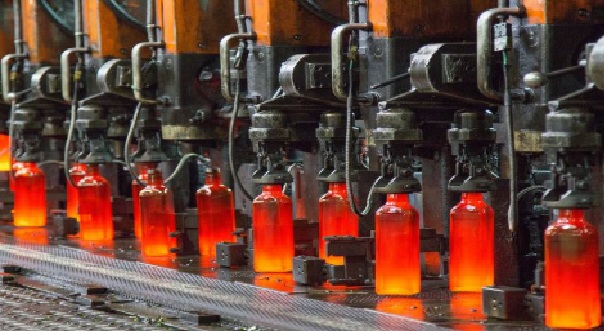
Firozabad, Uttar Pradesh known as India’s glass manufacturing hub, is facing one of its toughest industrial crises in recent years as rising energy costs and supply disruptions threaten thousands of livelihoods.
The city accounts for nearly 70% of the country’s glass production, with the sector largely driven by small and medium-scale factories. Around 150,000 workers depend directly on the industry, but many units are now struggling to survive amid mounting operational pressures.
At the center of the crisis is natural gas, the lifeline of glass manufacturing. Furnaces used in the industry must operate continuously at temperatures exceeding 1,000°C, making shutdowns extremely costly and technically difficult. Any interruption in fuel supply can damage equipment, delay production, and sharply increase expenses.
Industry owners say ongoing geopolitical tensions in the Middle East have disrupted energy supply chains and pushed gas prices significantly higher. Much of India’s imported gas passes through the Strait of Hormuz, a critical maritime corridor that has witnessed repeated uncertainty in recent months.
Although some shipments have resumed, manufacturers claim the situation on the ground has shown little improvement. Several factory operators report financial losses ranging between 25% and 45%, while more than 400 manufacturing clusters in the region are finding it difficult to maintain regular production.
The crisis has also affected exports. Rising freight charges and shipping delays linked to Gulf-region disruptions have reportedly reduced overseas shipments by nearly 20%. Some exporters stated that during March 2026, not even a single export container was dispatched from certain units.
The impact is now spreading beyond the glass sector itself. Prices of products such as glass bottles and containers have increased by nearly 20%, affecting industries including beverages, liquor, cosmetics, and packaging that rely heavily on Firozabad’s production network.
With costs continuing to rise and supply stability still uncertain, industry representatives warn that prolonged disruption could lead to widespread closures, job losses, and deeper strain on one of India’s most important manufacturing clusters.